
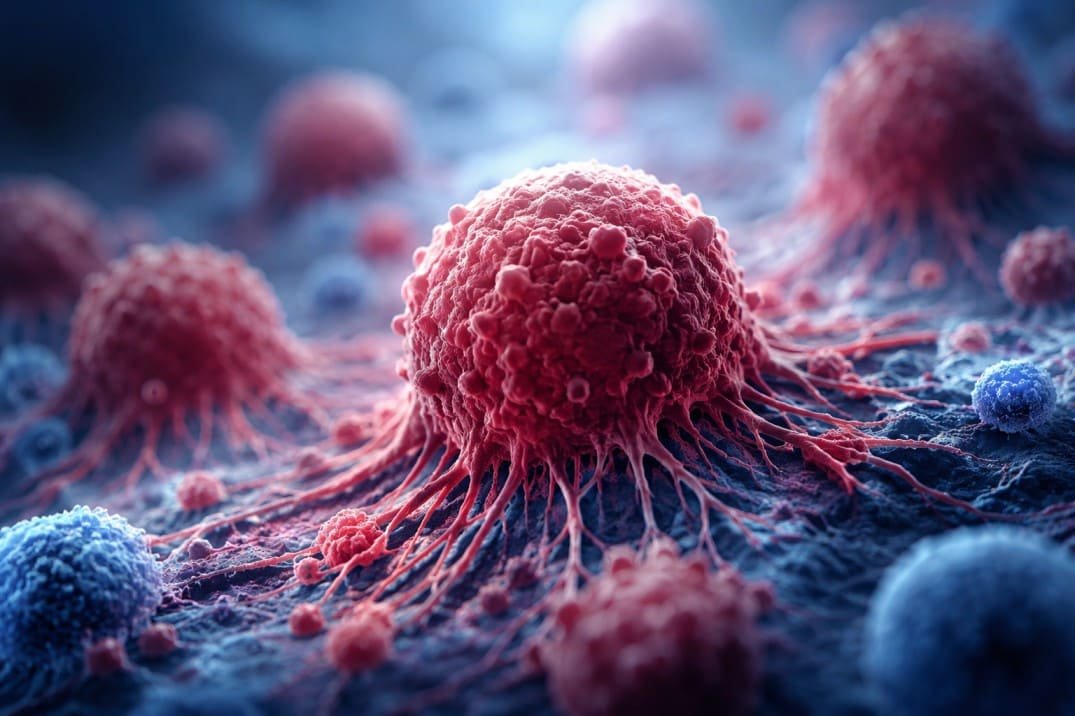
The world is standing on the precipice of a monumental public health emergency. According to a landmark report released jointly by the World Health Organization and the International Agency for Research on Cancer (IARC), the global oncology landscape is shifting rapidly. Analysts warn that we are no longer looking at a distant threat, but an active, accelerating crisis. Current estimates indicate that the sheer volume of annual cancer cases is projected to surge by approximately 67 percent by the middle of the century, climbing from an already staggering 20.6 million cases in 2024 to nearly 35 million annual cases by the year 2050.
This impending global cancer crisis 2050 is not merely a reflection of a growing population. It is a complex storm of demographic shifts, environmental degradation, and lifestyle factors. As life expectancy increases in many parts of the world, populations are aging, and older age remains one of the most significant, unmodifiable risk factors for cellular mutations. However, the sharp uptick in younger demographics being diagnosed with early-onset malignancies suggests that external, preventable influences are playing an unprecedented role in this trend.
To explore what you can do individually to safeguard your health, you can read our internal guide on preventative health solutions. In the meantime, understanding the systemic forces driving this epidemiological shift is the first step toward demanding stronger public policies and shifting our collective focus from reactive treatment to proactive prevention.
Decoding the Statistics Behind the Projected Surge
Measuring the Imbalance of Global Oncology Trends
To grasp the magnitude of the global cancer crisis 2050, one must look closely at the distribution of the disease. In recent years, Asia has accounted for more than half of all global cancer cases and over 56 percent of related deaths. This is largely due to the massive population density of the region. However, Europe presents a highly disproportionate burden, carrying 21 percent of all cancer cases and 20 percent of deaths, despite representing only about 9 percent of the global population.
This geographic variation highlights how different regional environments, industrial practices, and lifestyle habits influence cancer outcomes. While high-income regions often have the infrastructure to detect cases early, they also tend to have higher rates of exposure to certain industrial carcinogens, sedentary lifestyles, and processed diets. Conversely, lower-income nations frequently suffer from a lack of diagnostic equipment, leading to lower recorded incidence rates but vastly higher mortality rates once the disease is finally identified.
The Human and Economic Toll of a Rising Burden
The financial impact of cancer on households is devastating. A global survey conducted by the World Health Organization revealed that at least 45 percent of individuals diagnosed with cancer experience extreme financial hardship. More than half of those surveyed reported significant mental health struggles, and nearly all primary caregivers expressed experiencing immense social isolation and unpaid labor pressures.
As the caseload increases toward the 35 million mark by 2050, global health systems are expected to face unprecedented strain. Currently, fewer than one in three countries include comprehensive oncological care within their universal health coverage packages. This leaves hundreds of millions of people to pay out-of-pocket for lifesaving therapies, turning a medical diagnosis into a fast track to household poverty.
Read more about global developments shaping international policy and innovation
Examining the Top Reasons for Cancer Driving the Pandemic
Tobacco Use Remains the Leading Threat to Public Health
When discussing the top reasons for cancer, tobacco consumption remains the undisputed leader in global mortality. Despite decades of aggressive anti-smoking campaigns and policy measures like clean indoor air laws, tobacco is still responsible for roughly 15 percent of all new cancer diagnoses worldwide. The combustion of tobacco releases thousands of toxic chemicals, dozens of which are confirmed human carcinogens that directly mutate cellular DNA.
While traditional smoking rates have gradually declined in several high-income nations, the tobacco industry has successfully pivoted to emerging markets in low- and middle-income countries. Additionally, the rapid rise of vaping and electronic nicotine delivery systems presents a new, highly debated frontier in public health. While some market these devices as harm-reduction tools, health authorities warn that the long-term oncological impacts of inhaling heated chemical aerosols remain highly concerning.
Chronic and Preventable Infections Shape the Oncology Landscape
A major driver of the global cancer burden that often escapes public awareness is the prevalence of oncogenic, or cancer-causing, infections. The International Agency for Research on Cancer reports that chronic infections are responsible for approximately 10 percent of all new cancer cases globally. In lower-income regions, this figure rises dramatically, where infectious agents account for up to 30 percent of the cancer burden.
The primary culprits in this category include the Human Papillomavirus (HPV), which is linked to cervical and oropharyngeal cancers, and the Hepatitis B and C viruses, which cause chronic liver inflammation leading to hepatocellular carcinoma. Helicobacter pylori, a common bacterial infection of the stomach lining, is also highly associated with gastric cancers. Expanding access to vaccines and affordable antiviral treatments is a highly effective way to prevent these infection-related malignancies before they can take root.
Alcohol Consumption Underlies More Diagnoses Than Realized
Alcohol is deeply woven into the social fabric of many global cultures, yet it remains one of the most underestimated carcinogens in the world. Recent epidemiological data attributes roughly 3 percent of all global cancer cases directly to alcohol intake. Ethanol is metabolized in the body into acetaldehyde, a toxic compound that damages DNA and prevents cells from repairing the damage.
There is a widespread public misconception that only heavy, chronic alcohol abuse poses a threat.
In reality, health authorities emphasize that there is no completely safe level of alcohol consumption when it comes to oncological risk. Regular intake, even in moderate amounts, is directly linked to an increased likelihood of developing cancers of the breast, bowel, esophagus, mouth, and liver.
Stay updated with the latest international developments and health research.
The Accelerating Impact of High Body Mass Index and Obesity
As global diets shift toward highly processed, energy-dense foods, obesity has emerged as a major driver of the global cancer crisis 2050. High Body Mass Index (BMI) accounts for at least 2 percent of all new cancer diagnoses worldwide, and this percentage is rising rapidly. Excess body fat is not merely an aesthetic concern; it acts as an active endocrine organ that alters metabolic pathways.
Adipose tissue produces excess estrogen, elevated levels of insulin, and a constant stream of inflammatory cytokines. This chronic, low-grade systemic inflammation creates an environment that promotes rapid cell division and inhibits apoptosis, the natural process of programmed cell death. Obesity is now firmly linked to at least thirteen different types of cancer, including pancreatic, colorectal, and postmenopausal breast cancers.
Environmental Exposures and Air Pollution as Silent Carcinogens
Our physical surroundings play a major role in our long-term health, and the air we breathe has become increasingly hazardous. Rapid industrialization, urbanization, and a reliance on fossil fuels have led to toxic levels of ambient air pollution in major metropolitan areas. Fine particulate matter, known as PM2.5, is capable of penetrating deep into the lungs and entering the bloodstream, causing systemic oxidative stress and DNA damage.
Beyond outdoor air pollution, millions of people are exposed to indoor carcinogens, such as radon gas, secondhand smoke, and chemical fumes from cooking fuels. Occupational exposures to heavy metals, asbestos, and agricultural pesticides also contribute significantly to the global burden. Addressing these environmental factors requires structural, governmental interventions, as individuals have limited control over the quality of the air in their regional environments.
Explore how extreme heatwaves are affecting public health across Europe.
The Core Debates: Points of Contention in Modern Oncology
Prevention vs. Treatment: Where Should the Money Go?
One of the most contentious debates in public health centers on how limited healthcare budgets should be allocated.
Proponents of a preventative approach argue that nearly 40 percent of all cancer cases are entirely avoidable by addressing modifiable risk factors like tobacco, diet, and pollution. They advocate for massive investments in public education, vaccine distribution, clean energy transitions, and heavy taxation on carcinogenic products like alcohol and sugary foods. The government needs to take appropriate action to make people aware of this diesease, and how small habits can big transformation and act as a prevention for this.
On the other side of the debate, proponents of medical innovation argue that we cannot ignore the millions of people who are already sick. They believe that resources are best spent funding cutting-edge clinical trials, immunotherapies, and genomic sequencing to find highly targeted cures.
While prevention is incredibly cost-effective in the long run, it does not offer immediate solutions for current patients, leaving policymakers caught in a delicate balancing act.
The Great Divide: Addressing Geographic Survival Inequities
The stark inequality in survival rates between high-income and low-income nations is a major point of ethical argument. For instance, the five-year survival rate for women diagnosed with breast cancer is approximately 87 percent in wealthy nations. In stark contrast, that survival rate plummets to just 42 percent in low-income countries. This discrepancy is not due to biology, but rather a lack of early screening, diagnostic imaging, and basic chemotherapeutic drugs.
Critics argue that multinational pharmaceutical companies must make proprietary therapies more accessible to developing nations. To explore global health initiatives working to bridge this gap, you can read our detailed analysis of global healthcare equity solutions. Others argue that throwing expensive drugs at the problem is futile without first building robust primary healthcare systems capable of administering them safely.
Taking Control: Modifying Personal and Collective Risk
Practical Steps to Lower Individual Vulnerability
While systemic changes require political will, individuals are not entirely powerless. Embracing preventative habits can significantly lower the likelihood of developing several common malignancies. Eliminating all tobacco exposure, reducing alcohol intake, and maintaining a physically active lifestyle are foundational steps. Adopting a diet rich in whole grains, fruits, and vegetables provides the body with essential antioxidants that protect cells from oxidative stress.
Furthermore, staying up-to-date with recommended clinical screenings and preventive vaccines, such as the HPV vaccine, is vital. Detecting pre-cancerous cellular changes early dramatically increases the chances of successful, non-invasive treatment. Taking personal responsibility for health is essential, but it must be supported by a society that makes healthy choices accessible and affordable for everyone.
A Call for Decisive Public Policy Action
Ultimately, resolving the global cancer crisis 2050 requires structural transformation. Governments must view cancer prevention as a key political priority. This involves implementing stricter regulations on air quality, subsidizing healthy foods, banning the marketing of harmful substances to minors, and integrating comprehensive oncological screening into universal healthcare models. Without these proactive measures, the next few decades will bring an unsustainable wave of illness that will overwhelm medical networks and devastate families worldwide.
Leave a Reply