
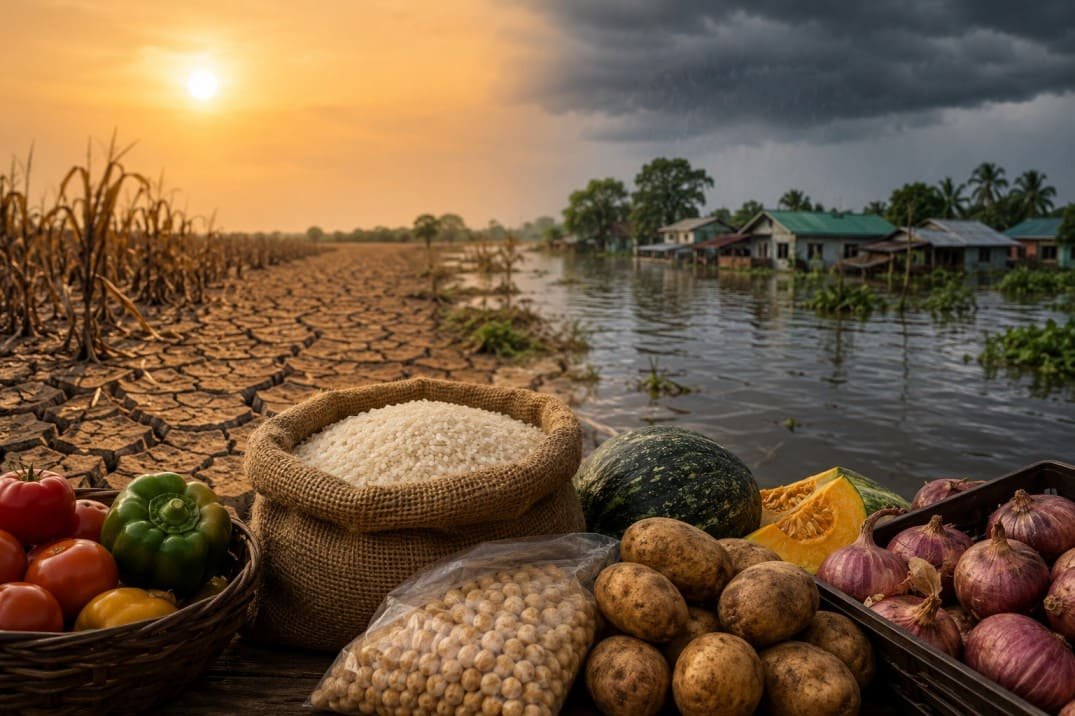
A quiet shift is happening in grocery aisles around the world. Families stand in front of store shelves, staring at receipts that seem to grow longer while the contents of their carts stay the same. It is easy to point fingers at standard inflation or temporary shipping delays, but the underlying force driving these cost surges runs much deeper into our environment. Extreme weather patterns, unpredictable seasons, and rising global temperatures are reshaping the agricultural landscapes that feed our planet. The way we grow, harvest, and distribute food is experiencing a fundamental shift, and understanding how climate change affects food prices has become vital for consumers and policymakers alike.
Climate Disruptions and Grocery Costs are interrelated
When we analyze how climate change affects food prices, we are examining the direct connection between environmental stability and agricultural productivity. Agriculture is inherently dependent on predictable weather patterns, consistent rainfall, and stable temperature ranges. As global climate patterns become increasingly volatile, the delicate balance required for steady crop yields begins to unravel.
Environmental disruptions influence agricultural costs through several core mechanisms that directly undermine crop production. Unpredictable growing seasons cause shifts in seasonal timing, bringing early thaws, unseasonal frosts, and altered rainfall patterns that disrupt planting schedules and reduce overall crop yields. At the same time, extreme weather events like hurricanes, floods, heatwaves, and droughts inflict immediate and catastrophic damage on standing crops, triggering widespread localized or global supply shortages.
Furthermore, escalating resource scarcity driven by higher global temperatures accelerates water evaporation, which rapidly depletes groundwater levels and makes irrigation significantly more expensive for farmers, ultimately driving up baseline food prices across the market.
When harvests shrink due to environmental stress, the basic rules of supply and demand take over. A drop in global grain, fruit, or livestock output creates scarcity, driving up wholesale costs long before products ever reach local markets. To explore authoritative research on global climate trends and agricultural data, review the official reports provided by the Intergovernmental Panel on Climate Change (IPCC).
Why Environmental Shifts Directly Drive Global Food Inflation
Understanding why environmental degradation leads directly to higher grocery bills requires looking at the entire agricultural supply chain. Farmers do not operate in a vacuum, every extra expense incurred on the field cascades down to the end consumer. Rising temperatures and unpredictable weather patterns are becoming more frequent, as explored in How Extreme Heat Is Silently Rewriting Everyday European Life.
The primary economic factors driving food inflation through environmental changes include:
Escalating Production Expenses
Farmers must spend more money to maintain crop yields under adverse climate conditions. This includes purchasing additional water for irrigation during droughts, investing in specialized heat resistant crop varieties, and buying extra fertilizer to support stressed soil. These rising operational expenses naturally elevate the baseline price of raw agricultural commodities.
Supply Chain and Logistics Failures
Extreme weather does not just damage crops in the field, it disrupts the transportation networks needed to move harvest to processing plants and retail hubs. Major rivers used for barge transport can dry up during severe droughts, while severe storms can destroy rural road networks and port infrastructure. Transport delays mean higher shipping costs and increased product spoilage, both of which drive up final shelf prices.
Livestock and Dairy Stress
Heat stress severely affects farm animals, leading to lower milk production, reduced reproduction rates, and slower growth cycles. Additionally, when droughts destroy grazing pastures and shrink grain yields, pasture feed becomes far more expensive. Farmers must pass these elevated feed and maintenance costs along to consumers in the form of higher prices for meat, dairy, and eggs.
Impact of Climate Change on Global Food Prices
The overarching impact of climate change on food prices stretches far beyond temporary spikes in retail receipts. It reshapes global economics, exacerbates social inequalities, and forces structural adjustments across multiple sectors.
Across household budgets, increased expenditure on basic food staples leads directly to lower disposable income and a reduced overall standard of living. Lower income families suffer the most, as they spend a larger percentage of their earnings on dietary necessities. When staple items like wheat, rice, corn, and cooking oil become significantly more expensive, families are forced to cut back on discretionary spending, health care, or education. Severe heatwaves and wildfires continue to disrupt food production across Europe, similar to the events covered in Heatwave in Southern France: Death Toll Rises & Wildfires Rage.
On a broader geopolitical scale, severe food shortages in vulnerable regions lead to export restrictions by producing nations. When extreme weather triggers widespread crop failures, countries often enact trade bans to protect their internal food supplies. These protective trade policies limit international availability, causing global commodity prices to surge even higher. Historical data shows that sudden food price spikes frequently trigger social unrest, civil instability, and increased economic migration, particularly in developing areas.
Within retail and restaurant sectors, unpredictable inventory costs lead directly to menu price hikes and compressed business margins. Furthermore, as historical growing zones warm up, traditional farming regions are shifting toward higher latitudes. While some northern regions may see temporary increases in arable land, the infrastructure, soil quality, and water management systems in these new areas take decades to develop. During this long transition period, global food production remains unpredictable and price volatility stays elevated.
To review global economic analysis regarding inflation dynamics and agricultural commodity trends, visit the World Bank.
Practical Measures to Mitigate Rising Food Costs
Implementing practical measures to mitigate rising food costs requires a combined approach from both agricultural producers and everyday consumers to combat the ongoing pressure of food inflation. Farmers can adopt climate smart agriculture by investing in drought resistant crop strains, efficient drip irrigation systems, and regenerative soil practices that maintain reliable yields despite extreme weather.
On the consumer side, families can hedge against rising grocery bills by carefully planning meals to reduce household waste, buying seasonal produce, and supporting regional food networks that bypass expensive transport bottlenecks. Together, these adaptive strategies help stabilize global food security and cushion household budgets against the unpredictable environmental impacts on agriculture.
Navigating the Future of Food and Climate
The ongoing transformation of our environment presents one of the most significant challenges to global food security and economic stability in modern history. The days of cheap, predictably priced agricultural goods are giving way to an era where environmental variability directly influences retail costs. Addressing how climate change affects food prices requires a combined effort involving technological innovation in agriculture, smarter supply chain management, and sustainable policy decisions. As consumers, staying informed about these connections empowers us to make smarter purchasing decisions, advocate for resilient food systems, and adapt to the evolving realities of our global market.

Leave a Reply