
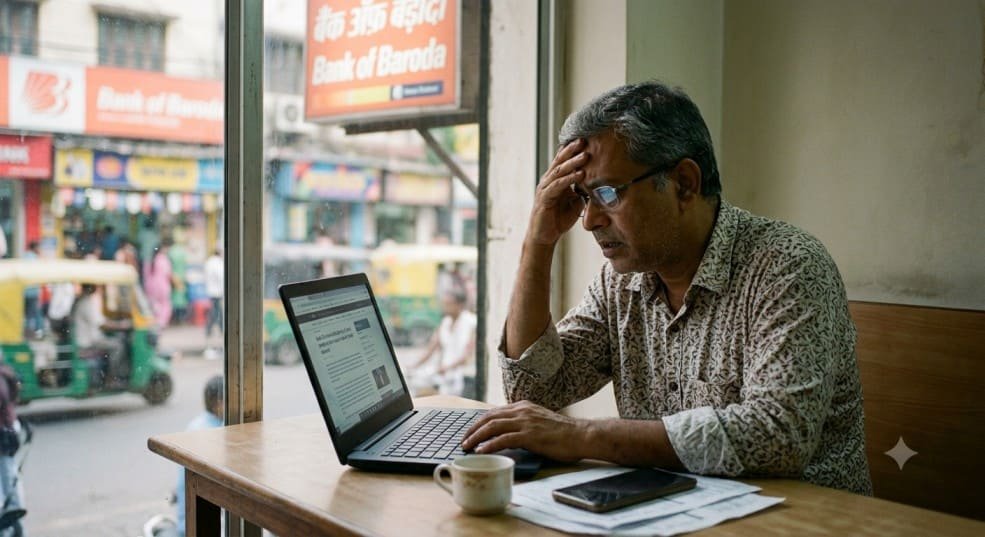
India’s second-largest public sector lender, Bank of Baroda (BoB), has officially launched a forensic cyber security investigation following claims that up to 1 terabyte (TB) of sensitive customer and corporate data was dumped on a dark web platform.
The incident, which surfaced over the weekend, allegedly involves over 92,000 files spanning account details, loan appraisals, Aadhaar records, and internal audit reports.
What Caused the Bank of Baroda Data Leak?
According to cybersecurity researchers, the threat actor operating under the name Triple X published download links containing internal file directories and customer records onto a Tor-hosted site. Initial findings suggest the attackers gained access through a compromised employee email account and weak credentials, subsequently accessing internal file-sharing servers.
The bank released an official statement confirming the incident while assuring account holders that main transactional systems remain safe:
“The incident involved compromise of an employee’s email account, resulting in unauthorised access to certain data. The matter was promptly identified, and immediate containment measures were implemented. The Bank’s core banking systems were not accessed and continue to remain secure.”
For more context on official banking safety updates, read the full report on Times of India’s Coverage of the BoB Security Incident.
What Information Was Exposed in the Breach?
Cybersecurity analysts verified that the leaked sample datasets include a wide mix of operational and personal data:
- Customer KYC Records: Names, addresses, mobile numbers, and linked Aadhaar documents.
- Financial Profiles: Savings and current account statements, active loan appraisal forms, and corporate account files.
- Internal Banking Material: Branch audit reports, compliance reviews, and vigilance handbooks.
Crucially, experts note that passwords, PINs, and One-Time Passwords (OTPs) were not part of the exposed records. If you’re travelling internationally, banking fraud can become even more difficult to detect, especially when using unfamiliar networks or ATMs. Before your next trip, read The Biggest Travel Trends Indians Should Know in 2026 for practical travel planning and safety tips.
Is Your Account Balance Safe?
Yes. A data leak is distinct from a direct system break-in. Because Bank of Baroda’s core banking database was not penetrated, attackers cannot directly move funds out of accounts using static leaked details like Aadhaar numbers or branch names. Modern multi-factor authentication (MFA) safeguards prevent direct unauthorized withdrawals.
However, the real danger following a high-profile Bank of Baroda data leak lies in targeted phishing and social engineering. Fraudsters who obtain your name, account number, or loan history can pose as official bank executives to convince you to share login credentials or OTPs.
Recent incidents have shown that even major financial institutions can become targets of cybercriminals. The article highlights why individuals should remain vigilant about protecting their personal data.
If you want to review general online safety protocols, check our comprehensive guide on how to recognize online phishing scams.
Cybersecurity incidents like this highlight why safeguarding your financial information is just as important as making sound long-term financial decisions. The Early Retirement Strategy: How to Escape the 9-to-5 for tips on protecting your financial future.
How Customers Can Secure Their Accounts
If you hold an account with Bank of Baroda, cybersecurity professionals recommend taking immediate preventive measures:
- Ignore Phone Verification Calls: Bank staff will never call to ask for OTPs, NetBanking passwords, or UPI PINs.
- Update Online Banking Credentials: Change your NetBanking password and transaction PIN immediately.
- Enable Two-Factor Authentication: Ensure all banking apps utilize mandatory device-level authentication.
- Monitor Account Activity: Regularly review your transaction statement and report suspicious activity to bank authorities.
For detailed steps on safeguarding your personal financial identity, explore our related resource on protecting your bank accounts after a corporate data breach.
While Bank of Baroda’s core transactional systems remain secure, a data breach of this scale demands extra vigilance from every account holder. With sensitive personal details—such as Aadhaar numbers, loan documents, and contact records—circulating on dark web forums, cybercriminals now possess the exact context needed to launch sophisticated social engineering attacks. Fraudsters can easily quote past transactions, branch locations, or loan statuses to convincingly masquerade as official bank personnel. Remaining cautious, regularly updating NetBanking credentials, and immediately questioning any unexpected phone calls or requests for OTPs remain your best lines of defense to safeguard your financial identity.
If you’re travelling internationally, staying alert to banking scams is equally important. Read The Biggest Travel Trends Indians Should Know in 2026 before planning your next trip.

Leave a Reply