
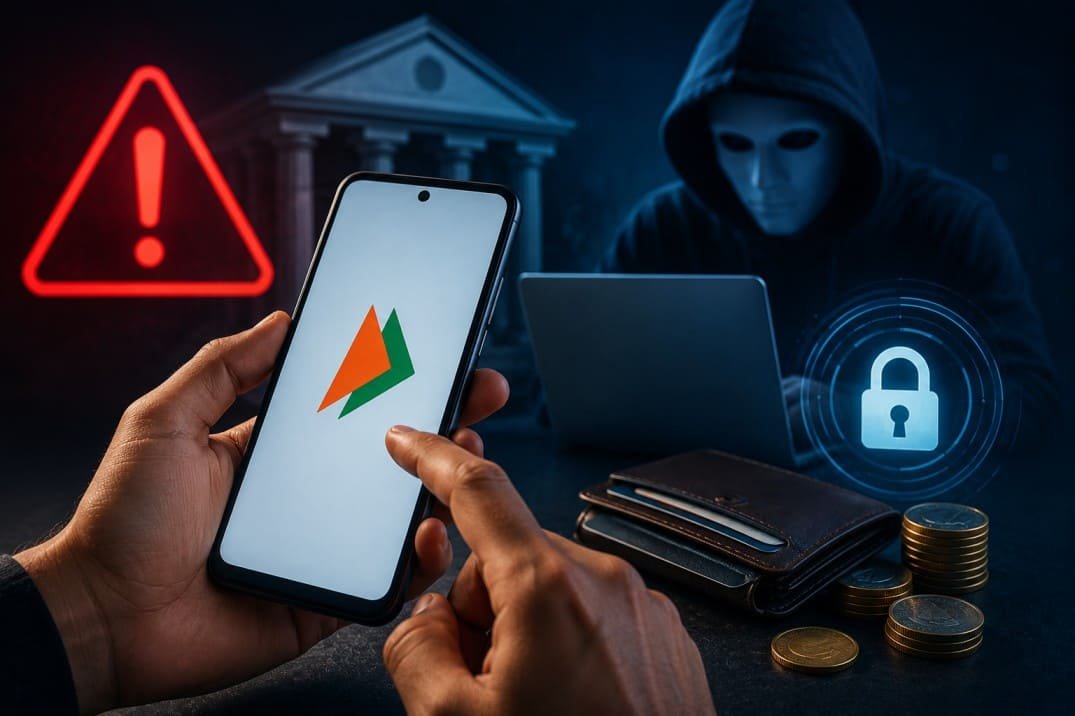
A UPI scam alert warns users that fraudsters are exploiting digital payment apps through psychological manipulation, fake refund requests, and altered QR codes rather than technical hacks.
To protect your money, remember that receiving payments never requires typing your UPI PIN, and you should never share OTPs or install remote access software on your phone. Digital transactions across India have reached historic levels, with monthly transactions climbing past eighteen billion payments according to official data from the National Payments Corporation of India (NPCI).
However, this rapid digital growth has brought a parallel spike in cybercrime. Recent reports from the Reserve Bank of India (RBI) show an ongoing surge in digital payment fraud cases, making cyber awareness a top financial priority.
Because core banking protocols remain mathematically secure, cybercriminals have shifted their focus to social engineering, psychological pressure, and deceptive mobile applications. Financial institutions, law enforcement, and government bodies have issued an urgent UPI scam alert to educate citizens on emerging tactics and prevent avoidable financial losses.
UPI Scams : Explained
A Unified Payments Interface scam involves fraudulent maneuvers where attackers manipulate users into transferring money, scanning corrupt codes, or revealing confidential banking credentials through popular payment platforms like Google Pay, PhonePe, or Paytm.
Unlike classic computer hacks that bypass digital security firewalls, these scams rely on deception. Scammers exploit human emotions such as panic, greed, curiosity, or misplaced confidence, persuading victims to authorize unauthorized debits themselves.
Why Are UPI Fraudsters Targeting Everyday Users?
Cybercriminals aggressively target everyday citizens because individual mobile users represent the most accessible link in the transaction chain.
Fraudsters focus on daily app users for specific operational reasons:
- Instant fund transfers: Payments move between accounts in seconds, giving victims minimal time to freeze transactions before money is moved through multiple accounts.
- PIN confusion: Many users still confuse receiving payments with sending payments, mistakenly believing that entering a security code is necessary to deposit incoming money.
- High success rates: By creating realistic scenarios such as fake customer support, rental deposits, or overpayment corrections, fraudsters easily lower a victim’s natural caution.They scam the customers who are in need or commit the mistake by any chance.
What Is the Impact of UPI Fraud on Victims and the Economy?
The consequences of payment fraud ripple far beyond individual bank accounts. For everyday citizens, losing personal savings causes severe emotional distress, immediate financial strain, and a loss of trust in digital financial tools. Small business owners face broken supply chains and cash flow shortages when operating funds vanish unexpectedly.
On a macro level, rampant digital fraud erodes public trust in modern banking initiatives. The economy suffers as police forces, financial regulators, and cybercrime units divert substantial resources toward investigation, account freezing, and asset recovery. The surge in UPI fraud reflects broader digital security concerns discussed in Why India’s Cybercrime Is Rising Faster Than Expected, where emerging scams and cybercrime trends are examined. The Frauds are commited by companies and target the customers. As a customers one loses hope in the company, the financial institution.
7 Tricks Fraudsters Are Using Right Now
Understanding exact fraud methods helps users spot suspicious activity instantly. Here is how bad actors execute their traps:
| Trick Name | How Scammers Execute It | Primary Defense Rule |
| 1. Fake Collect Requests | Scammers send a “Collect Money” notification disguised as a reward, buyer advance, or refund. | Never enter a PIN to receive money. |
| 2. QR Code Tampering | Fraudsters paste fake QR stickers over real shopkeeper codes or send payment codes over chat apps. | Check the recipient name on screen before confirming. |
| 3. Fake Helpline Numbers | Scammers post fake bank support numbers on search engines to trap users seeking refunds. | Fetch support contact details strictly from official app settings. |
| 4. Fake Payment Screenshots | Buyers display altered payment successful screens and ask for cash back or goods immediately. | Always verify actual bank balance SMS or app history, not screenshots. |
| 5. Remote Screen Sharing | Fraudsters ask victims to download screen sharing apps under the guise of fixing account issues. | Never install third party remote control tools during calls. |
| 6. Marketplace Prepayments | Fake sellers post cheap items online and demand advance fees or booking deposits before disappearing. | Refuse upfront token payments to unverified sellers. |
| 7. SIM Swapping & OTP Theft | Scammers hijack your phone number to receive banking passwords and reset your UPI access. | Contact your mobile carrier if your network signal drops suddenly. |
Essential Step by Step Safeguards
- Rule of PIN: Remember that typing a UPI PIN always deducts money from your account, without exception.
- Verify Callers: Hang up on unsolicited callers asking for personal verification, passwords, or device access.
- Report Fast: If you suspect unauthorized activity, report the incident immediately on the official National Cyber Crime Reporting Portal or call 1930 for financial helpline assistance
How to stay cautious?
Rahul’s story is a stark reminder that while payment technology makes daily life effortless, security remains a continuous human commitment. Fraudsters rarely break complex encryption systems when they can simply exploit misplaced trust. As digital payments continue to evolve, understanding the technologies transforming online ecosystems is essential, as explored in Top 5 Global Tech Trends in 2026 Reshaping the World
By recognizing these seven common tricks, remembering basic safety rules, and sharing knowledge with family, you keep your hard earned money safe. Stay cautious, verify every transaction carefully, and never compromise your financial credentials.

Leave a Reply