
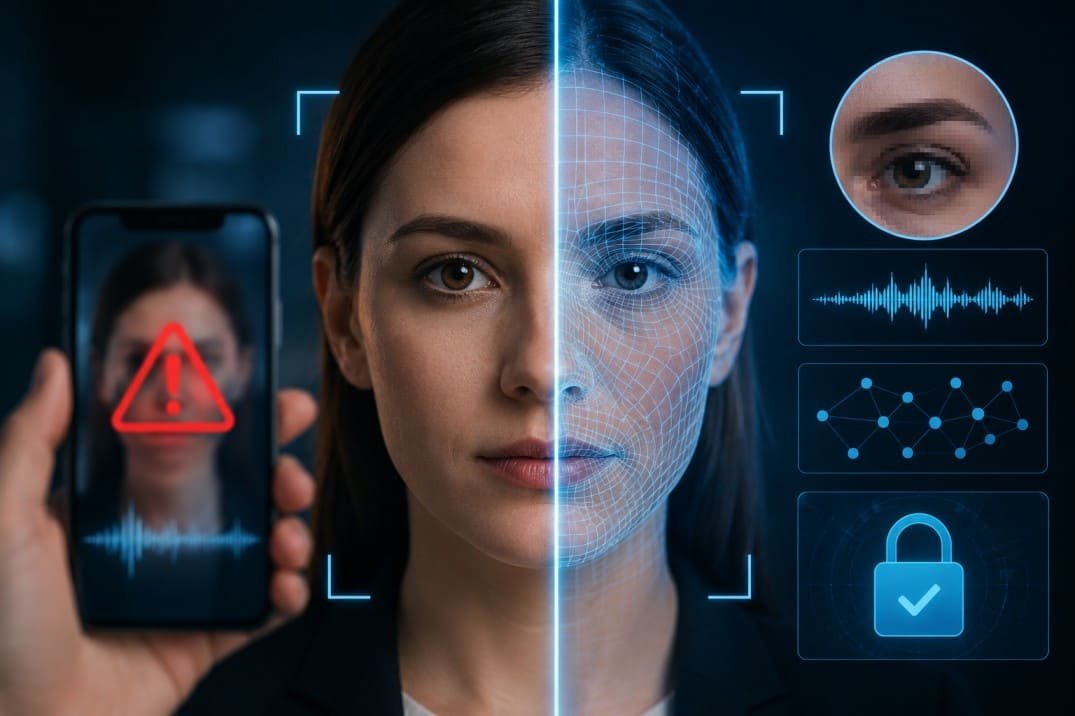
Digital media has reached a historic turning point where seeing is no longer automatically believing. Scrolling through social feeds reveals synthetic images, altered voices, and hyper realistic digital avatars created in seconds.
As artificial intelligence becomes indistinguishable from reality, social media platforms face massive pressure to separate human truth from synthetic trickery. Navigating this changing landscape requires strong standards to ensure users can trust what appears on their screens every day.
What Are Meta Deepfake Verification Rules 2026
Meta deepfake verification rules 2026 define how synthetic media and artificial intelligence content must be disclosed, verified, and moderated across Facebook, Instagram, and WhatsApp.Under these standards, platforms utilize automated detection engines and provenance metadata like Coalition for Content Provenance and Authenticity signals to identify modified media automatically.Content creators and advertisers must explicitly disclose photorealistic synthetic subjects, altered voices, and generated human figures using mandatory self disclosure tags.When platforms detect undisclosed deepfakes or deceptive synthetic media depicting public figures, systems apply prominent labels or issue swift content takedowns within condensed hourly timeframes.
Real Life Experience Navigating Campaign Disclosures
Working as a digital strategist during a major retail launch revealed how strictly these automated checks operate in real time. A creative team uploaded an ad campaign featuring a digitally generated background model, forgetting to enable the self disclosure toggle in Meta Ads Manager.
Working as a digital strategist during a major retail launch revealed how strictly these automated checks operate in real time. A creative team uploaded an ambitious ad campaign featuring a digitally generated background model, but forgot to enable the self-disclosure toggle in Meta Ads Manager. Within four hours, Meta’s automated provenance scanners detected missing C2PA cryptographic metadata and flagged the entire campaign.
Instead of a minor warning or a simple email notification, the ad set suffered an immediate ninety percent drop in organic and paid reach as distribution throttles kicked in. To make matters worse, the brand received a temporary account strike on its health score, which threatened to halt all active marketing campaigns. The experience proved that compliance checks are no longer passive suggestions or manual review processes; they are hard, non-negotiable algorithmic boundaries that require thorough pre-publish audits before any campaign goes live.
Why Meta Deepfake Verification Rules 2026 Are Shifting
Global regulatory bodies have introduced strict digital laws, such as India updated IT Rules, which enforce tight compliance windows and demand permanent provenance tracking for synthetic media. Additionally, public trust in social platforms has eroded due to scam advertisements and impersonation campaigns. Voluntary disclosures are no longer sufficient, prompting platforms to transition from passive guidelines to strict automated verification and mandatory enforcement mechanisms.
“I was scrolling through Instagram when a video popped up showing a well-known financial expert promising guaranteed stock returns. The voice sounded identical to theirs, but the lip movement felt slightly delayed. Before I could even share it with a friend, a high-visibility ‘AI Info’ overlay appeared directly over the clip. That immediate system warning saved me from a serious financial scam.” — David Miller, Everyday Consumer & Tech Viewer
Real Life Experience Encountering Synthetic Scams
An everyday social media user recently experienced the darker side of deceptive synthetic media when viewing a short video of a trusted news anchor promoting a high return investment application. The voice, facial movements, and broadcast studio setting looked perfectly authentic at first glance. However, a closer look revealed slight lip synchronization delays and unnatural eye blinks. Many actors have been sccumbed to the deepfake Issues. Not only celebrity it has become more like a security threat.
Under the updated verification system, Meta algorithms recognized the synthetic voice clone, flagged the clip as deceptive media, and applied a persistent warning overlay within hours. This automated intervention prevented thousands of users from falling victim to financial fraud.
The Impact of Meta Deepfake Verification Rules 2026
The impact of Meta deepfake verification rules 2026 stretches across digital marketing, content creation, and user trust.Advertisers who fail to declare synthetic media face severe penalties, including ad rejections, account strikes, and distribution cuts reaching eighty percent. Creators must adapt by embedding metadata credentials directly into their production workflows to ensure seamless publishing. For everyday users, these rules provide clearer transparency, enabling viewers to immediately identify whether a piece of media is human or computer generated.
Why Is This Massive Shift Happening Now
The global escalation of generative artificial intelligence technologies is the driving force behind the rapid implementation of Meta deepfake verification rules 2026. Prior to these strict standards, voluntary disclosure frameworks failed to stop sophisticated AI tools from generating viral political misinformation, fake executive statements, and persuasive scam campaigns.It has created an immse struggle for people who post online. The problem has escalated to this extent that it is more of a cybersecurity threat. At the same time, international regulatory authorities, including the European Union and national data protection commissions, introduced strict compliance mandates that demand permanent provenance watermarking and immediate removal of deceptive synthetic media.
Facing immense societal pressure and the threat of severe legal penalties, platform operators transitioned from basic user reporting to proactive automated detection engines. This systemic transition ensures platform accountability, restores public trust, and protects digital ecosystems from hyper-realistic visual fraud. As deepfake technology becomes increasingly sophisticated, social media platforms are under growing pressure to tackle the spread of realistic digital manipulation. In response, platforms are moving beyond relying solely on user reports and adopting automated detection systems that can identify suspicious or manipulated content at scale. This shift is aimed at improving platform accountability, rebuilding public trust, and protecting users from increasingly convincing visual fraud.

Leave a Reply