
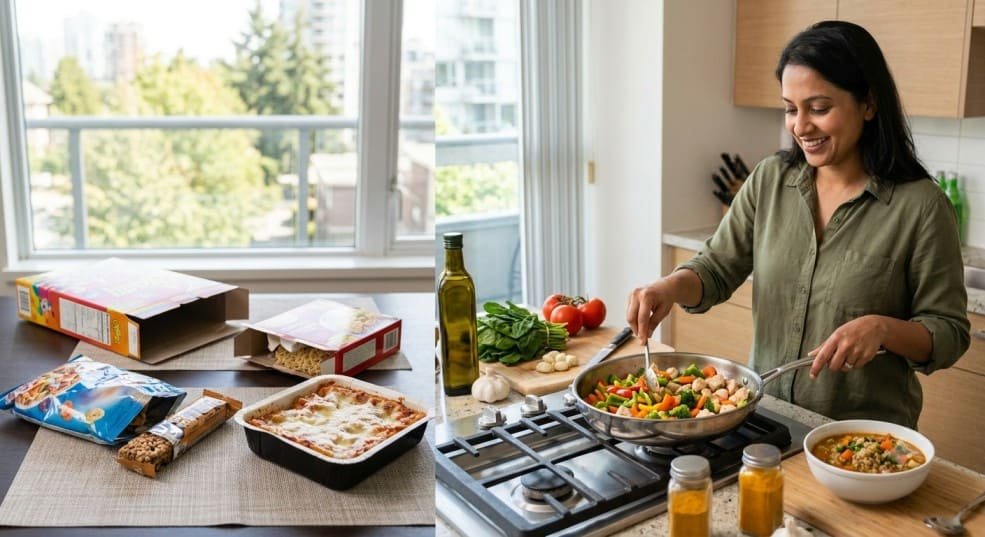
Recent clinical findings confirm what nutritionists have long suspected: ultra-processed foods (UPFs) are driving a surge in silent, systemic inflammation. Research published in The American Journal of Medicine reveals that adults with high consumption of ultra-processed foods exhibit elevated levels of high-sensitivity C-reactive protein (hs-CRP),a primary blood marker for chronic internal inflammation and cardiovascular disease.
When comparing ultra-processed foods vs. everyday cooking, the impact on your long-term health is profound. The good news? You do not need an all-or-nothing diet overhaul. Making small, practical changes in your daily meal preparation can dramatically slash inflammation and safeguard your immune health.
The rise of ultra-processed foods is becoming part of a larger health crisis, especially as why young people are facing rising health risks continues to gain attention among researchers.
The Hidden Danger: How Ultra-Processed Foods Trigger Inflammation
Ultra-processed foods—such as mass-produced packaged snacks, sugary cereals, instant noodles, and processed meats,are industrial formulations packed with emulsifiers, artificial flavorings, and refined oils. Unlike traditional cooking, these foods are engineered to be hyper-palatable while stripping away essential dietary fiber and antioxidants.
According to a comprehensive research synthesis available via the National Institutes of Health (NIH), diet heavy in UPFs alters the gut microbiome, triggering low-grade chronic inflammation. These artificial additives break down the mucosal lining of the gut, causing immune responses that keep the body in a constant state of internal stress.
Everyday Cooking: Your Secret Weapon to Slash Inflammation
While UPFs fuel chronic disease, fresh whole-food ingredients act as natural anti-inflammatory medicine. Everyday cooking gives you full control over ingredient quality, allowing you to incorporate rich sources of polyphenols, healthy omega-3 fatty acids, and natural digestive fiber.
Health organizations, including the World Health Organization (WHO), continuously highlight whole foods,such as leafy greens, whole grains, nuts, and lean proteins,as the primary defense against non-communicable lifestyle diseases. Cooking at home reduces your intake of hidden sodium, industrial seed oils, and chemical preservatives that typically go unnoticed in restaurant or packaged meals.
| Feature | Ultra-Processed Foods (UPFs) | Everyday Home Cooking |
| Primary Ingredients | Refined starches, oils, industrial additives | Whole vegetables, fresh grains, lean proteins |
| Gut Health Impact | Disrupts gut lining, promotes endotoxemia | Feeds beneficial gut microbes with fiber |
| Inflammatory Marker (hs-CRP) | Consistently elevated | Significantly lowered |
| Satiety & Energy | Quick spikes, high energy density | Sustained energy, long-lasting fullness |
4 Small Changes to Slash Inflammation in Your Daily Routine
Shifting from processed packaged meals to whole foods does not require hours in the kitchen every day. By making tiny, strategic substitutions, you can systematically reduce inflammatory triggers:
1. Swap Packaged Dressings for Olive Oil and Lemon
Store-bought salad dressings are frequently loaded with refined soybean oil, high-fructose corn syrup, and emulsifiers. Swap them out for extra virgin olive oil mixed with fresh lemon juice or real apple cider vinegar. Olive oil contains oleocanthal, an antioxidant proven to mimic anti-inflammatory compounds.
2. Replace Flavored Instant Oats with Whole Rolled Oats
Pre-packaged flavored oatmeal packets often contain hidden sugars and artificial additives. Choose plain rolled or steel-cut oats instead, and flavor them naturally with fresh berries, cinnamon, and raw nuts.
3. Cook with Whole Spices
Spices like turmeric, ginger, garlic, and black pepper contain active anti-inflammatory compounds (such as curcumin). Adding these generously to fresh home-cooked dishes actively combats cellular oxidative stress.
4. Swap Packaged Snacks for Raw Nuts or Whole Fruits
Instead of grabbing a bag of flavored potato chips or ultra-processed snack bars, keep a bowl of walnuts, almonds, or fresh seasonal apples within arm’s reach.
The Bottom Line
When comparing ultra-processed foods vs. everyday cooking, the evidence is undeniable: processed industrial formulations quietly drive internal strain, while fresh whole ingredients help slash inflammation naturally. You don’t need a radical culinary lifestyle change overnight,start with one home-cooked meal a day and build momentum toward long-term metabolic health

Leave a Reply