
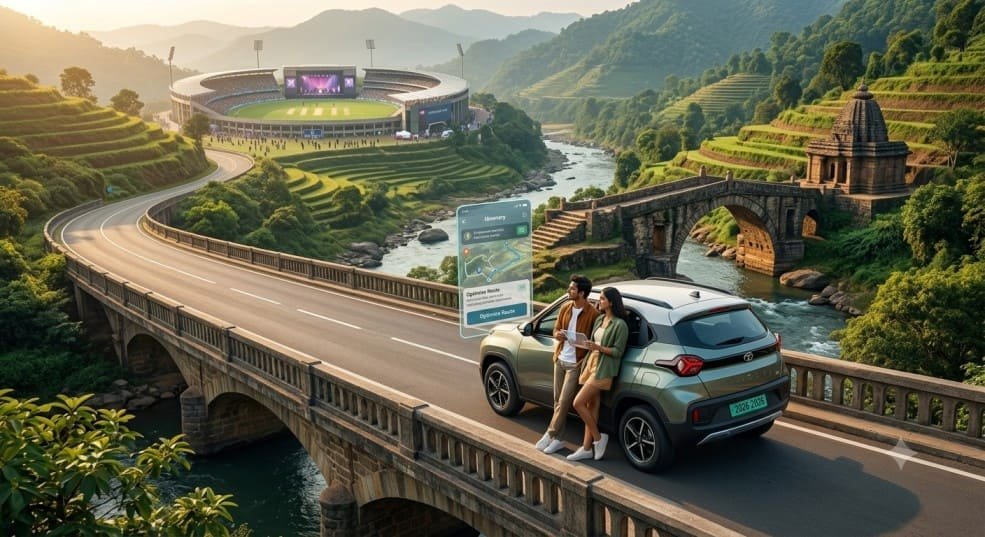
A major shift is unfolding across India’s travel landscape this year.
According to the latest Allianz Partners Travel Index 2026, Indian holiday intent remains among the highest globally, with 87% of travelers planning vacations.
However, macroeconomic pressures, lingering geopolitical flight reroutings in West Asia, and rising airfares have transformed how and where Indians travel. Rather than letting budget constraints stall their wanderlust, 76% of Indian tourists are cutting non-essential spending to prioritize value-driven, experience-packed getaways.
Sports tourism is expected to increase after the 2026 FIFA World Cup final, where FIFA later launched disciplinary proceedings involving Argentina.
Industry metrics reveal a massive pivot toward domestic exploration and hassle-free Asian escapes. Market insights from the Future Market Insights Outbound Report project India’s outbound tourism market to reach USD 23.4 billion in 2026, with independent travelers making up over 52% of the market.
From pop-culture pilgrimages across East Asia to serene wellness retreats tucked away in the Himalayas, Indian jet-setters are redefining modern tourism on their own terms.
The Biggest Travel Trends Indians Should Know in 2026
1. The Domestic Boom & Cultural Heritage Exploration
India leads the global market in domestic holiday intent, with 60% of tourists choosing to explore destinations within the country. High flight prices on long-haul routes have fueled interest in lesser-known cultural hubs. Travelers are looking beyond traditional hot spots toward places like Thiruvananthapuram, Meghalaya, and Puri for nature and heritage experiences. For curated road trips and state travel guides, check out our Domestic Travel Destinations Guide.
Indian travellers looking to save money can explore affordable international travel options before planning their next overseas holiday.
2. Experience & Event-Driven Tourism (Gig Tripping)
Sightseeing alone no longer cuts it. Over 73% of Indian travelers are booking trips specifically around ticketed experiences,ranging from international music concerts and sports tournaments to food festivals.
| Trend Segment | Primary Motivation | Popular Destinations |
| Gig Tripping | Live concerts, music festivals | Tokyo, Seoul, Mumbai |
| Short-Haul Asia | Ease of access, pop-culture, food | Busan, Kuala Lumpur, Bangkok |
| Wellness & Slow Travel | Yoga, mental detox, nature immersion | Kerala, Rishikesh, Bali |
3. AI-Powered Smart Planning & Tech-Enabled Protection
Digital adoption among Indian travelers has reached unprecedented heights. Over 82% of tourists now utilize artificial intelligence tools to build personalized, cost-effective itineraries. Concurrently, digital protection is top of mind: 85% of Indian travelers are purchasing comprehensive travel insurance, prioritizing 24/7 mobile app assistance and medical coverage. How AI Tools Save Time on Travel Booking to optimize your next journey.
Before travelling during summer, it’s worth understanding how extreme heat is changing travel plans across Europe.
Changing Trends: From Mass Tourism to Personal Expression
The underlying mechanics of The Biggest Travel Trends Indians Should Know in 2026 reflect a fundamental mindset shift from transactional, tourist-heavy checklists to highly personalized self-expression. Rather than flocking to over-touristed landmarks, Indian travelers are now choosing destinations based on hyper-specific personal passions,such as “Glowmad” beauty and wellness retreats, literary escapes, supermarket food discovery tours, and “Destination Check-ins” where the hotel stay itself is the primary attraction. Driven by “inward wanderlust,” solo trips,particularly among mid-career female professionals,and spiritual tourism in Tier-II cities like Ayodhya and Tirupati are growing rapidly. Combined with hyper-flexible micro-breaks and workations, Indian vacationers are actively rejecting one-size-fits-all travel packages in favor of journeys that match their lifestyle, values, and identity.
Environmental challenges such as water scarcity is becoming a global travel concern are influencing destination choices around the world.
Summary of Changing Trends
The landscape of Indian tourism in 2026 marks a decisive shift from passive sightseeing to highly intentional, experience-driven travel. As value-conscious travelers balance rising costs with an unyielding appetite for exploration, trends like gig tripping, heritage road trips, and short-haul Asian getaways are replacing conventional vacation formats. Backed by real-time AI itinerary planning and robust digital safety nets, the modern Indian holidaymaker is no longer just visiting new destinations,they are actively reshaping global tourism with smarter spending, tech-savviness, and a relentless focus on memorable experiences.
Frequently Asked Questions
What are the top destinations driving the biggest travel trends Indians should know in 2026?
Domestic destinations rich in culture such as Jaipur, Thiruvananthapuram, and Meghalaya are experiencing surging interest. Internationally, short-haul Asian cities like Tokyo, Busan, Kuala Lumpur, and Bangkok lead the market due to easy visa policies and vibrant food and pop-culture scenes.
How are rising travel costs impacting Indian vacation choices in 2026?
While 87% of Indians still plan to travel, 76% are trimming daily non-essential expenses to afford their vacations. Travelers are increasingly turning to AI itinerary builders, independent travel booking, and value-for-money domestic getaways to keep costs manageable.
Why is event-driven tourism becoming popular among Indian travelers?
Indian tourists are shifting from passive sightseeing to experience-first vacations. Over 70% of travelers actively plan holidays around live sports matches, music concerts, and culinary arts festivals, making the event the central destination of their trip.
Is travel insurance necessary when exploring new travel trends in 2026?
Yes. With evolving flight routes and regional uncertainties, 85% of Indian travelers now purchase travel insurance. Modern policies cover flight disruptions, medical emergencies, and offer 24/7 digital support via mobile apps.

Leave a Reply