
The relentless heatwave in southern France has escalated into one of the deadliest climate events in modern European history. As thermometer mercury pushes past 43.8°C (110.8°F) across Occitanie and Provence, health agencies have confirmed a devastating surge in heat-related emergency admissions and fatalities.
With national forecasters repeatedly triggering red heat and extreme wildfire alerts, local communities, tourists, and emergency teams are pushed to their breaking point.
The Grim Reality: Over 5,700 Excess Deaths Reported
The human toll of the summer crisis is becoming starkly apparent. France’s national public health agency released provisional figures showing more than 5,764 excess deaths during the initial heatwave wave alone.
Health Official Warning: “When overnight minimums fail to drop below 22°C–25°C, the human body gets no physical reset. That thermal stress is why elderly citizens and vulnerable groups are suffering severe complications,” noted experts from theWorld Health Organization (WHO).
The crisis has sparked sharp domestic debate, leading opposition parties in parliament to push for emergency infrastructure funding to rapidly retrofit cooling systems in hospitals and care facilities.
Prolonged heatwaves often worsen drought conditions and strain water resources. It can also be witnessed in france .Read more in India’s Water Crisis: Cities That Could Run Out of Water.
Voices from the Ground: How Residents and Tourists Are Battling the Heatwave in Southern France
Life in cities like Marseille, Toulouse, and Nice has radically changed under the stifling air dome. With low adoption of residential air conditioning in historical French architecture, people are forced to get creative,or simply stay inside.
- The Urban Lockdown: Locals describe living like “night owls.” Shops in Mediterranean coastal towns are shuttering during the day and opening late into the night. “You don’t leave your apartment between 11 AM and 6 PM,” shared one Marseille resident on social media. “The shutters stay completely drawn all day to trap what little cool air remains from the morning.”
- Tourists Rethinking Trips: Sightseers are altering itineraries to avoid heatstroke. Outdoor landmarks like public plazas are virtually empty at midday. “We came for the sights, but we’ve spent most of our vacation sitting near water fountains or staying in our air-conditioned hotel,” reported an international visitor in Aix-en-Provence.
- Drowning Warnings: Driven by an urgent need to cool down, thousands have flocked to local rivers, canals, and beaches, leading authorities to issue strict swimming warnings after a sudden uptick in accidental drowning
- Wildfires can significantly reduce air quality, creating health risks similar to those explored in Toronto Wildfire Air Quality: Causes & Safety.
For tips on how to safely navigate extreme weather when visiting Western Europe, read our internal guide on travel precautions during European heatwaves.
Firefighters on the Frontlines: Wildfires Devastate the Countryside
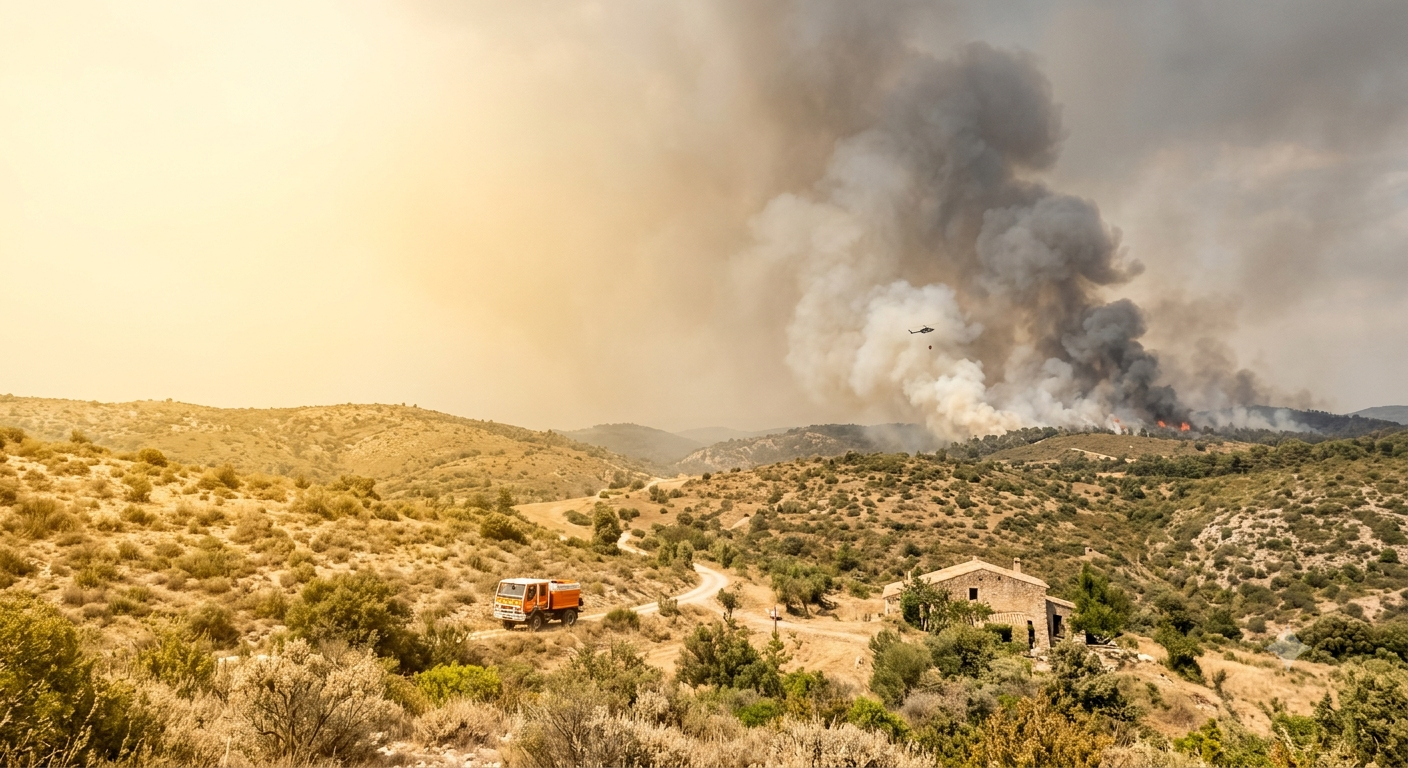
The environmental impact of the heatwave in southern France remains critical. Tens of thousands of hectares have burned across departments like Var, Pyrenees-Orientales, and Gironde.
Hundreds of firefighters,supported by specialized water-bomber aircraft,are working double shifts to contain spot-fires before gusty Mediterranean winds push them into rural communities. Official updates from Météo-France urge both residents and tourists to observe strict bans on outdoor burning, cigarettes, and barbecues near vegetation.
Spain is preparing to co-host the 2030 FIFA World Cup. Read about the FIFA Decision on Argentina following the 2026 World Cup final.
What Comes Next?
Forecasters warn that consecutive hot spells remain likely before atmospheric patterns shift, keeping soil moisture critically low and prolonging drought conditions. Local municipalities are expanding “green cooling zones,” opening air-conditioned public halls, and setting up emergency hydration checkpoints to keep vulnerable populations safe.