
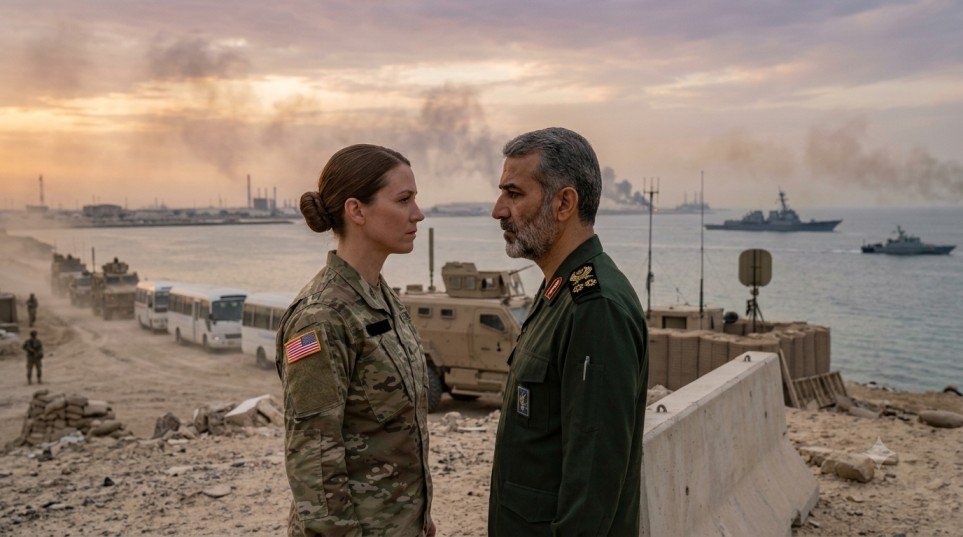
The 2026 conflict between the United States and Iran has intensified following 11 consecutive nights of U.S. airstrikes aimed at reopening the Strait of Hormuz after a fragile June truce collapsed. Military spending for Operation Epic Fury has surpassed $37.5 billion as regional security concerns expand across the Middle East.
Iran Vs USA All About War So Far: How the 2026 Conflict Began
The current confrontation between Washington and Tehran erupted on February 28, 2026, when U.S. armed forces initiated Operation Epic Fury. The operation was designed to destroy Iranian offensive missile capacity, disrupt missile production, and neutralize naval infrastructure in the Persian Gulf.
The key drivers behind the conflict include:
- Failed Nuclear Diplomacy: The breakdown of high-level negotiations regarding uranium enrichment levels.
- Maritime Disruptions: Recurrent hostile engagements targeting international shipping vessels.
- Preemptive Security Operations: U.S. and regional partner strikes targeting ballistic and drone launch networks.
In response, Iranian armed forces and allied regional militias carried out targeted missile and drone strikes against U.S. bases in Iraq, Syria, Jordan, and Bahrain.
Latest Developments in the US Iran Conflict (July 2026)
1. Re-Escalation in the Strait of Hormuz and Truce Collapse
Despite a 14-point Memorandum of Understanding (MoU) signed in mid-June to establish a 60-day diplomatic window, maritime trade through the Strait of Hormuz has again ground to a near-standstill. Fresh strikes on commercial tankers led U.S. Central Command to launch consecutive nights of air operations targeting Iranian coastal defense networks, radar posts, and drone hangars.
2. Rising Financial Cost and Troop Casualties
During testimony before the Senate Appropriations Committee, U.S. Defense Secretary Pete Hegseth confirmed that the military effort has cost an estimated $37.5 billion, reflecting a significant surge in operational expenses. U.S. military casualties have also risen following missile strikes against bases in Jordan, leading to renewed calls for diplomatic off-ramps.
3. Expansion of Regional Airstrikes and Targets
President Donald Trump noted that military strikes could target fortified sites near Iran’s Natanz nuclear infrastructure, including the deeply buried Pickaxe Mountain tunnel complex. Meanwhile, proxy forces such as the Houthis in Yemen announced attempts to blockade regional ports, sparking opposition from international bodies.
Key Takeaways of the USA vs Iran War So Far
| Indicator | Impact Status (July 2026) |
|---|---|
| U.S. Military Expenditure | Reached $37.5 Billion |
| Strait of Hormuz Status | Shipping severely restricted; ongoing security operations |
| Diplomatic Negotiations | Interim deal stalled; regional mediation continuing in Pakistan |
| Energy Market Impact | Oil price volatility persisting near multi-month highs |
What Lies Ahead in the Iran Vs USA Conflict?
With U.S. Central Command continuing strikes and Tehran maintaining a firm stance on the Strait of Hormuz, global powers are calling for an immediate restoration of freedom of navigation. International economic organizations warn that prolonged disruptions to West Asian energy transit will keep global commodity markets under strain.
What President Trump Is Saying Currently About the War
President Donald Trump has taken a uncompromising public stance regarding the trajectory of Operation Epic Fury and retaliatory military actions in the Middle East:
- Threats to Fortified Nuclear Sites: Trump warned that the U.S. military will be targeting Iran’s Pickaxe Mountain underground facility,a heavily fortified site near the Natanz uranium enrichment complex,”pretty soon”.
- No Immediate Withdrawal: Rejecting calls for an early exit, Trump emphasized, “We’re not leaving right now… If we left right now, it would take Iran 20, 25 years to rebuild. We’re not finished at all”.
- Warnings Over U.S. Casualties: Responding to casualties among American personnel in the region, Trump stated that “every time Iran kills an American Soldier… they will pay for that killing many times over”.
- Diplomatic Operations: Despite escalating military rhetoric, Trump authorized the resumption of direct U.S. airline flights to Lebanon following talks with Lebanese President Joseph Aoun.
Status of Mediation and Ceasefire Proposals
While military operations remain active, diplomatic channels have not shut down entirely:
- Pakistan & Qatar Joint Proposal: Mediators from Pakistan and Qatar submitted a joint de-escalation plan urging both Washington and Tehran to return to their pre-July 9 military positions, enact a two-week ceasefire, and reopen shipping channels.
- Tehran’s Review: Iranian foreign ministry representatives confirmed receipt of the joint proposal and stated it remains under formal review.
- U.S. Diplomatic Stance: Administration officials maintain that while air strikes will persist until objectives are met, the U.S. remains open to a formal diplomatic off-ramp.
.Read about Toronto Wildfire Air Quality: Causes & Safety
Frequently Asked Questions
What is Operation Epic Fury?
Operation Epic Fury is the military campaign launched by the U.S. military on February 28, 2026, aimed at dismantling Iranian missile production, naval assets, and security infrastructure.
How much has the US-Iran war cost so far in 2026?
Official estimates provided by U.S. Defense Secretary Pete Hegseth state the war has cost approximately $37.5 billion as of late July 2026.
Why is the Strait of Hormuz heavily impacted?
The Strait of Hormuz is a key energy corridor that normally carries roughly 20% of the world’s daily crude oil supply. Attacks on tankers and military blockades have disrupted commercial shipping traffic.


Leave a Reply