
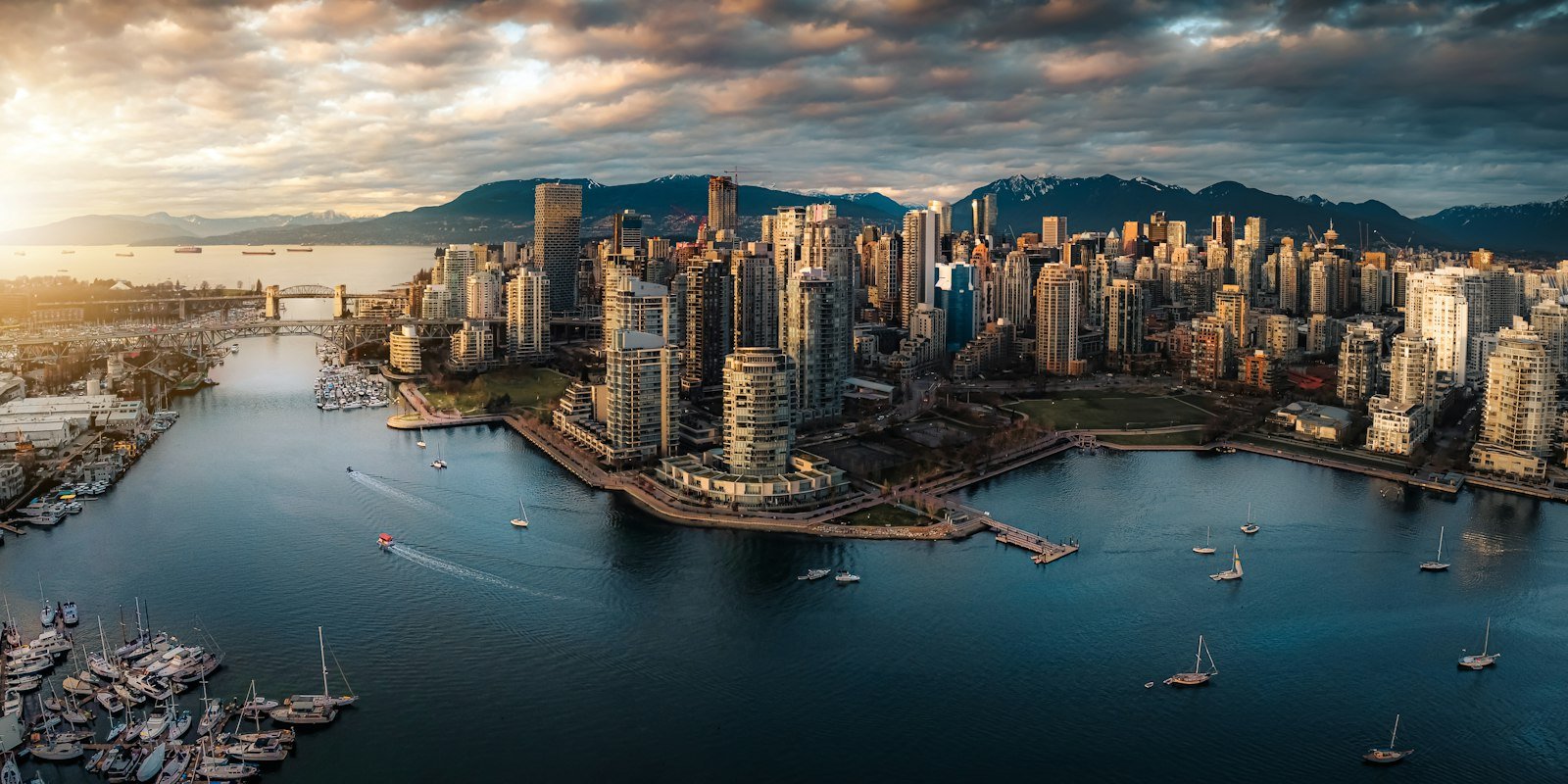
For years, Vancouver was the city where renters simply could not win. Bidding wars on basement suites, lineups at open houses and rents that climbed faster than paycheques became normal. In 2026 that story has flipped. Vancouver rents are falling, and they have been sliding for so long that renters now have something they have not had in a decade: bargaining power.
According to Rentals.ca, the average asking rent for an apartment in Vancouver was about $2,704 in August 2026, down 3.4 percent from a year earlier. Zumper data puts a typical one bedroom in the city at around $2,390, down 4.4 percent year over year, while a two bedroom sits near $3,300. Purpose built rental asking rents are now roughly 19 percent below their 2023 peak. In neighbouring Burnaby, one bedroom rents have dropped about 7.4 percent in a single year, one of the steepest declines in the country.
So what is going on in the city many people call the best place to live in North America? And is this good news, bad news, or a warning sign? Here is a clear look at the questions everyone is asking.
Why Are Vancouver Rents Falling?
There is no single cause. Three forces arrived at the same time.
- Slower population growth. Canada cut back sharply on temporary residents, including international students and temporary foreign workers. Statistics Canada data shows the number of temporary residents fell from a peak of about 3.15 million in October 2024 to roughly 2.68 million by January 2026. Canada’s population grew only about 0.5 percent between July 2025 and July 2026, the slowest July to July growth since the Second World War era.
- A wave of new supply. Rental buildings that were approved and financed during the boom years are now finishing construction. Thousands of new units have opened across Metro Vancouver, especially near SkyTrain stations.
- A cooling economy. Canada lost 42,000 jobs in August 2026 and wage growth slowed to about 2 percent. When people worry about their jobs, they stay with roommates longer, move back home or choose smaller units.
Put those together and you get more empty apartments competing for fewer new tenants. Landlords respond with lower rents, free months and incentives such as free parking or storage.
Is Vancouver’s Housing Market a Disaster Without Immigration?
No, but it is a very different market without high immigration. For most of the last decade, Vancouver’s rental demand was powered by newcomers. A large share of new arrivals rent for their first several years, so when the flow of students and temporary workers slows, the rental market feels it first and feels it fastest.
The key point is that Vancouver’s fundamentals have not disappeared. The city still has a limited amount of land squeezed between mountains, ocean and the United States border. It still has a strong tech, film, port and tourism economy. It still attracts people from across Canada and the world. What has changed is the pace. The market was built for growth that was running at record speed, and that growth has been turned down to a crawl for now.
Calling it a disaster is too strong. A better word is a correction. Renters are getting relief after years of extreme pressure, while investors who bought condos expecting endless rent increases are feeling the squeeze.
Will Rents Increase Again in Vancouver?
Most likely, yes, but not quickly. There are already early signs that the steepest part of the drop may be ending. Rentals.ca data showed Vancouver’s average asking rent actually rose about 1 percent from July to August 2026, even though it remained lower than a year earlier.
Here is what could push rents back up over the next two to three years:
- Construction slowdown. Fewer rental projects are starting today because falling rents and high building costs make new projects harder to finance. Fewer starts now means fewer completions later.
- Immigration returning to normal. Federal targets are lower for now, but they can change. Any increase in newcomers would quickly show up in rental demand.
- Interest rates. If borrowing costs stay high, more people remain renters instead of buying, which supports rental demand.
Our view: 2026 and part of 2027 should remain a good window for renters, with flat to slightly lower rents. After that, the risk of rents climbing again is real if construction keeps slowing down.
Are Homeowners Getting Impacted?
Yes, especially one group: investors and owners who rely on rental income. Many investors bought presale condos between 2020 and 2023 at high prices, expecting rents to cover a big mortgage. Now they are finishing buildings in a market where rents are lower, vacancies are higher and mortgage rates are well above the pandemic lows. Some are paying hundreds of dollars a month out of pocket to hold these units, and some are choosing to sell, which adds more listings to an already slow resale market.
Homeowners who live in their homes are affected more indirectly. Lower rents reduce the pressure on people to buy, which means fewer buyers and softer prices, especially for condos. Detached homes have held up better because supply is tighter, but sales activity across the region has been slow.
For owners with a basement suite or laneway home, the message is simple: price the unit realistically. A fair rent that fills the suite quickly is usually better than a high asking rent that sits empty for two months.
Suburbs Like Surrey and Coquitlam Have a Lot of Supply
If you want to understand the new Vancouver rental market, look east. Surrey, Coquitlam, Burnaby and Langley have seen a building boom around SkyTrain stations and town centres. Areas like Surrey City Centre, King George, Burquitlam and Lougheed now have tower after tower of new rental and condo units.
This matters for two reasons. First, it gives renters real choice. A newer one bedroom in Surrey or Coquitlam with a gym and in suite laundry can cost hundreds of dollars less per month than an older unit in the city. Second, it pulls demand away from Vancouver itself, which forces landlords in the city to compete harder.
For renters willing to live near transit in the suburbs, this may be the best value Metro Vancouver has offered in many years.
Is Vancouver in a Big Problem?
Vancouver is not in crisis, but it faces a real balancing act. The city needs enough new housing to stay affordable in the long run, while builders need enough profit to keep building. When rents fall too far, projects get cancelled, and that sets up the next shortage.
The bigger risks are economic. Trade tensions with the United States, a slowing job market and fewer international students all weigh on the local economy. If job losses spread, rental demand could weaken further. On the other hand, Vancouver has bounced back from every downturn in its modern history because people still want to live here.
What Should Renters and Owners Do Now?
If you rent:
- Negotiate. Ask for a lower rent, a free month or included parking, especially in new buildings.
- Compare neighbourhoods. Transit oriented suburbs often give you more space for less money.
- Consider a longer lease to lock in today’s lower rent before the market turns.
If you own a rental:
- Keep the unit in top condition. Tenants have more choice, so quality matters.
- Set rent based on current listings, not last year’s numbers.
- Review your mortgage renewal date and plan for higher payments early.
The Bottom Line
Vancouver rents are falling because the city built more homes just as population growth slowed down. For renters, this is the best market in about a decade. For investors, it is a painful reset. For the city, it is proof that more supply works, and a reminder that the building must not stop now. The smart money is on rents stabilizing in 2027 and rising again later if construction keeps slowing. Until then, renters in Vancouver finally have the upper hand.

Leave a Reply