
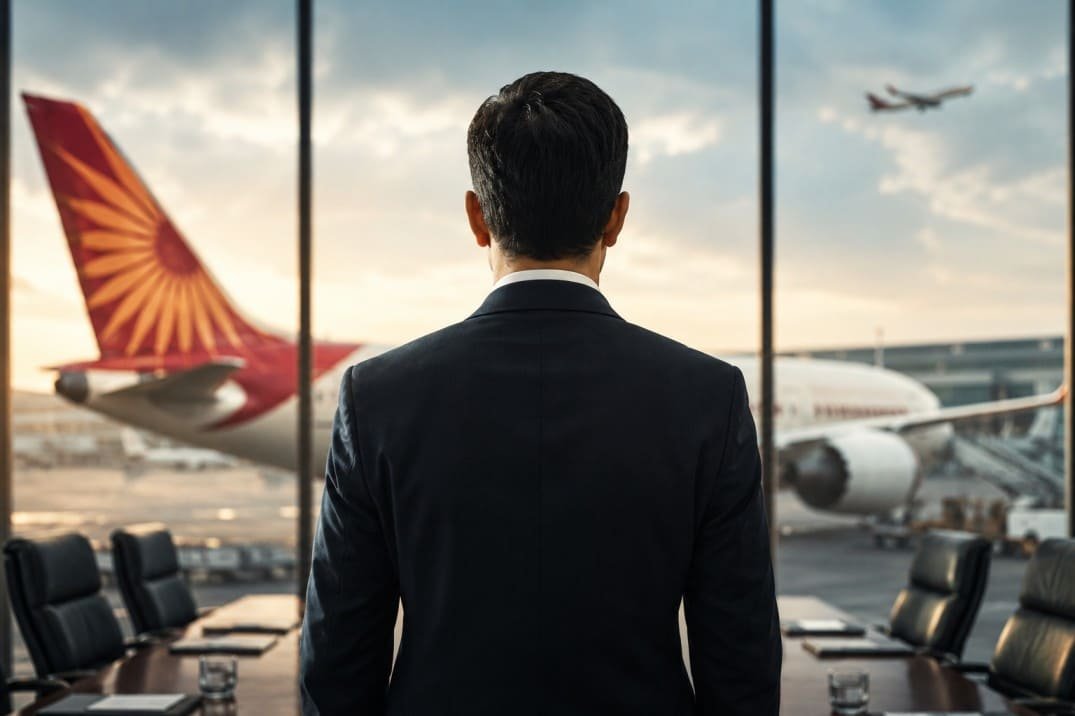
As Air India embarks on its boldest transformation chapter yet, the Tata Group carrier has officially appointed former Ethiopian Airlines chief Tewolde Gebremariam to steer its future. Taking over after Campbell Wilson stepped down, the aviation veteran steps into a monumental task. Transforming a historic flag carrier into a world class airline demands drastic systemic change, raising the ultimate question of whether a single leader can truly fix Air India.
Appointing Turnaround Veteran Tewolde Gebremariam
Tewolde Gebremariam takes the helm as chief executive officer and managing director to guide the national carrier into a critical phase of operational reliability and fleet management. His proven track record of transforming Ethiopian Airlines into a profitable aviation powerhouse over a eleven year tenure brings essential turnaround expertise to the role.
Shifting from Integration to Global Expansion
The strategic pivot toward aggressive global expansion is not just an ambition; it is an economic necessity to reclaim India’s lucrative international aviation market. For decades, foreign mega-hub carriers across the Middle East and Europe captured over half of all India-origin international passengers because domestic airlines lacked the widebody fleet capacity to offer direct long-haul flights. Air India is now deploying its massive orderbook of four hundred and seventy modern Airbus and Boeing aircraft to capture high-yield, non-stop point-to-point traffic connecting major Indian metros directly to North America, Europe, Australia, and East Asia.
Beyond recapturing diaspora and business travelers, building out long-haul routes allows Air India to monetize heavy widebody investments and transform gateways like Delhi, Mumbai, and Bengaluru into global transfer hubs. By routing traffic across South Asia and Southeast Asia through its Indian hubs to western markets, the carrier creates a structural defense against foreign competitors while building sustainable, high-margin revenue streams.
Why Is Air India Changing Executive Leadership Right Now?
Operational Losses and Geopolitical Airspace Challenges
The shift in executive leadership occurs as former chief Campbell Wilson stepped down following a planned transition, amidst widening financial pressures and complex route disruptions. Soaring jet fuel prices, strict crew duty regulations, and persistent geopolitical volatility across critical aviation corridors have created severe operational headwinds on long haul and transatlantic routes.
A prime example of these geopolitical shifts is the repeated closure of West Asian and Middle Eastern airspace due to escalating regional conflict. Widespread civilian airspace shutdowns over countries like Iran, Iraq, and Israel have repeatedly forced mid-air flight diversions, immediate route suspensions to destinations like Tel Aviv, and massive detours over Central Asia or the Arabian Sea.
Furthermore, while Air India retained access to Russian airspace unlike Western competitors, volatile regional security dynamics and adjacent no-fly zones across Eastern Europe continue to complicate flight paths. These mandatory detours add hours of flight time to ultra-long-haul services between North America, Europe, and India, driving up fuel burn by as much as twenty percent, triggering crew timeout delays, and inflating operating costs across the global network.
Executing the Five Year Vihaan AI Transformation
Under executive leadership, the Air India CEO turnaround strategy focuses on transitioning from structural consolidation toward large scale execution. Having completed complex mergers with Vistara and AIX Connect, the management team is now focused on taking delivery of a massive orderbook comprising over four hundred and seventy Boeing and Airbus aircraft. This expansion aims to capture lucrative direct long haul routes and modernize the flagship experience.
Upgrading Engineering Facilities and Fleet Reliability
A fundamental pillar of the new strategic roadmap is overcoming legacy operational bottlenecks by establishing South Asia largest aviation training academy and building state of the art maintenance facilities. By insourcing heavy engineering maintenance and retrofitting older widebody jets with updated cabin interiors, the strategy prioritizes on time performance, flight safety, and consistent premium service quality across domestic and international gateways.
Rising Regulatory Scrutiny and Safety Standards
Rebuilding passenger confidence requires a battle tested leader who can navigate stringent regulatory oversight and establish uncompromising safety protocols. Tata Sons prioritized a chief executive capable of elevating maintenance standards and operational discipline across all cabin tiers.
What Is the Long Term Impact of the Air India CEO Transition?
Rebuilding Brand Trust and Cultural Alignment
The immediate impact of Air India’s rebranding centers on restoring passenger confidence by eliminating long-standing pain points through physical cabin upgrades and strict operational discipline. Under the Vihaan.AI transformation framework, the airline introduced “The Vista”—a modernized visual identity pairing deep red, aubergine, and gold accents with a streamlined livery—while updating the iconic Maharajah into a dapper avatar for premium touchpoints.
By aligning frontline crew culture with global service benchmarks and opening redesigned airport lounges at major hubs like Delhi, Air India is creating an elevated customer experience. These coordinated measures generate immediate positive brand sentiment, allowing the carrier to compete directly with foreign mega-hub airlines and reclaim its status as a premier global airline.
Institutional Execution Beyond a Single Leader
While a single chief executive cannot singlehandedly fix an entire airline, strong leadership sets the structural trajectory for recovery. The ultimate success of this transition depends on empowering middle management, upskilling ground crews, and maintaining seamless coordination across Tata Group entities.
Driving the Future of Indian Aviation
The arrival of Tewolde Gebremariam as Chief Executive Officer marks an ambitious turning point for Air India. Backed by Tata Sons, this strategic shift proves that visionary leadership paired with disciplined execution can rebuild global confidence and restore the flag carrier to international prominence.
Leave a Reply